Blog
Practical ideas for better 1:1 conversations.
Short guides on agendas, follow-through, pilots, and the rhythm between managers and direct reports.

Keep your shared 1:1 doc—or switch?
Check preparation, past decisions, open actions and upkeep before choosing between your shared document, existing software and 1on1.
Read article
When your report criticises your management
Respond to critical feedback in your 1:1, choose a change you own, and ask next time whether it helped.

Give your senior more than vague praise
Prepare specific feedback for a successful senior: one observed example, a relevant expectation and a practice to revisit together.

Talk about growth without promising a promotion
Keep career aspirations, verified criteria and your next information request separate, so a useful 1:1 does not imply a promotion guarantee.

A good employee has nothing to raise in your 1:1. What now?
Choose a useful purpose with a quiet, competent employee, offer room to prepare, and let a short 1:1 be complete without inventing a problem.

What your engineer shipped this week is not the question worth asking
A viral HN thread argues AI flooded the visible artifact of engineering work. The question that made sense when code was the effortful part now returns a thin answer.

Know who actually wrote your next 1:1 agenda before you read it
A meeting-notes vendor now lets its AI write into a shared agenda, not just summarize it. What matters now isn't who sees that output. It's who wrote it.

Something is already getting dropped from your week. Make sure it is not the 1:1
A manager's job keeps expanding while attention stays fixed, so something already gets cut every week. Adding another tool to catch it usually makes the trade-off worse, not better.

Your quietest 1:1 might be a language problem, not an engagement one
A quiet report in a second-language 1:1 might not be disengaged. The record between sessions needs to live in a language they're fluent in, not just the call.
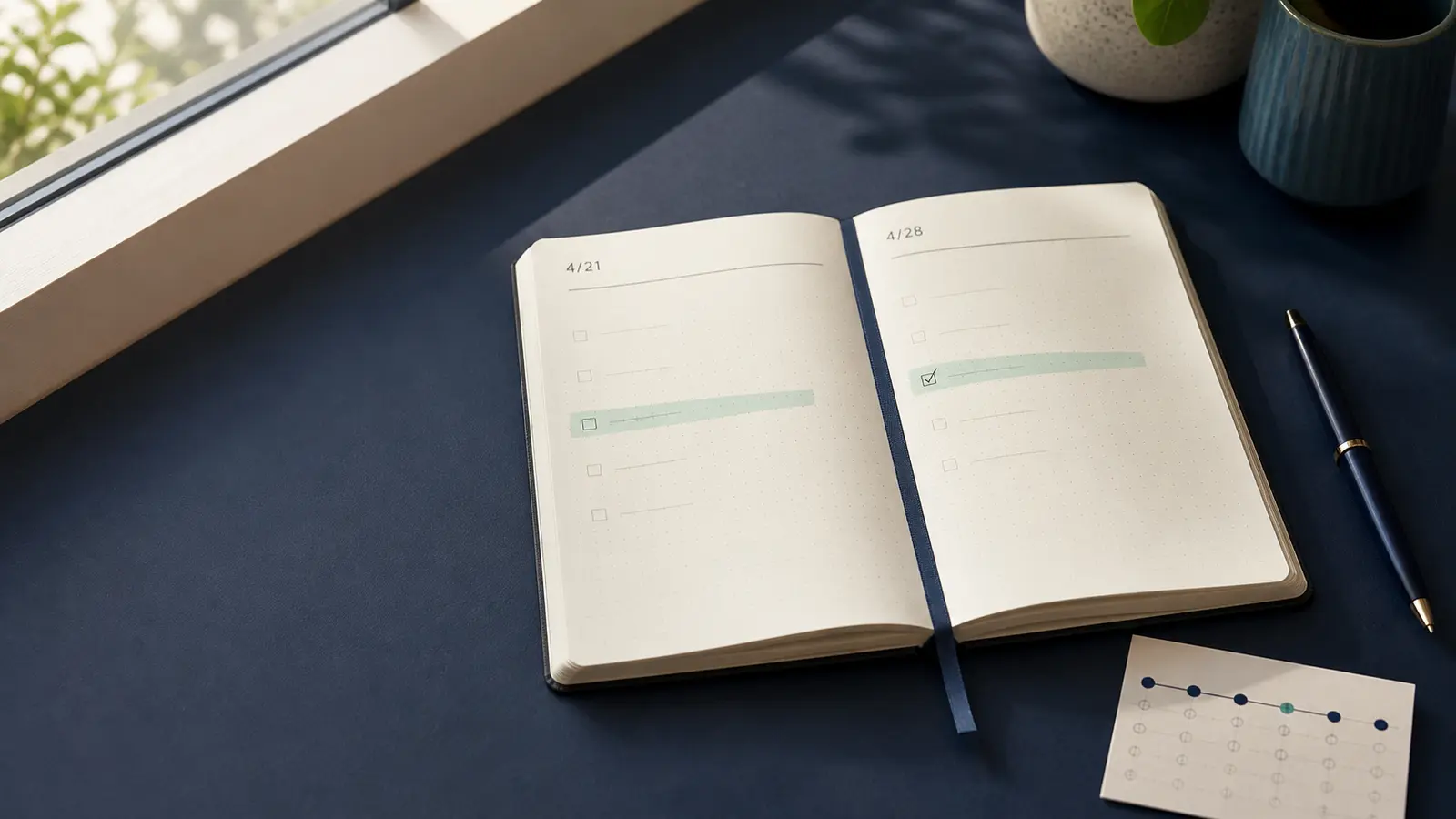
The action item that returns to the next 1:1
A 1:1 commitment needs an owner, a visible state, and a place in the next session. Otherwise the meeting ends with agreement and no follow-through.

The 1:1 is the first meeting you cancel when you are busy. That is backwards.
Nearly a third of 1:1s get canceled every week, and the busier you are the more it costs. The fix is not calendar discipline. It is where the thread lives.

When your AI talks to their AI, the 1:1 stops being a conversation
AI as a drafting layer between a manager and a report outsources the reps that build the relationship. The one conversation worth keeping human is the 1:1.

Managers just lost the engagement premium. The 1:1 is what you still own
Manager engagement just fell close to the level of the teams they lead. The one thing a stretched manager still fully owns is the recurring 1:1.

Who should see what the AI wrote about your 1:1, and who should not
The real question about AI in a 1:1 is not whether it belongs there. It is which output is the shared record and which is the manager's private read.

Why we built 1on1 to read prior sessions, not transcribe meetings
Most AI for 1:1s reads one meeting at a time. 1on1 reads across prior sessions, so the summary is about the relationship, not just today's transcript.

The three ways 1:1s quietly break
Most 1:1s do not collapse. They erode. Here are the three failure modes that hollow out the meeting, and how structure keeps each one from taking hold.
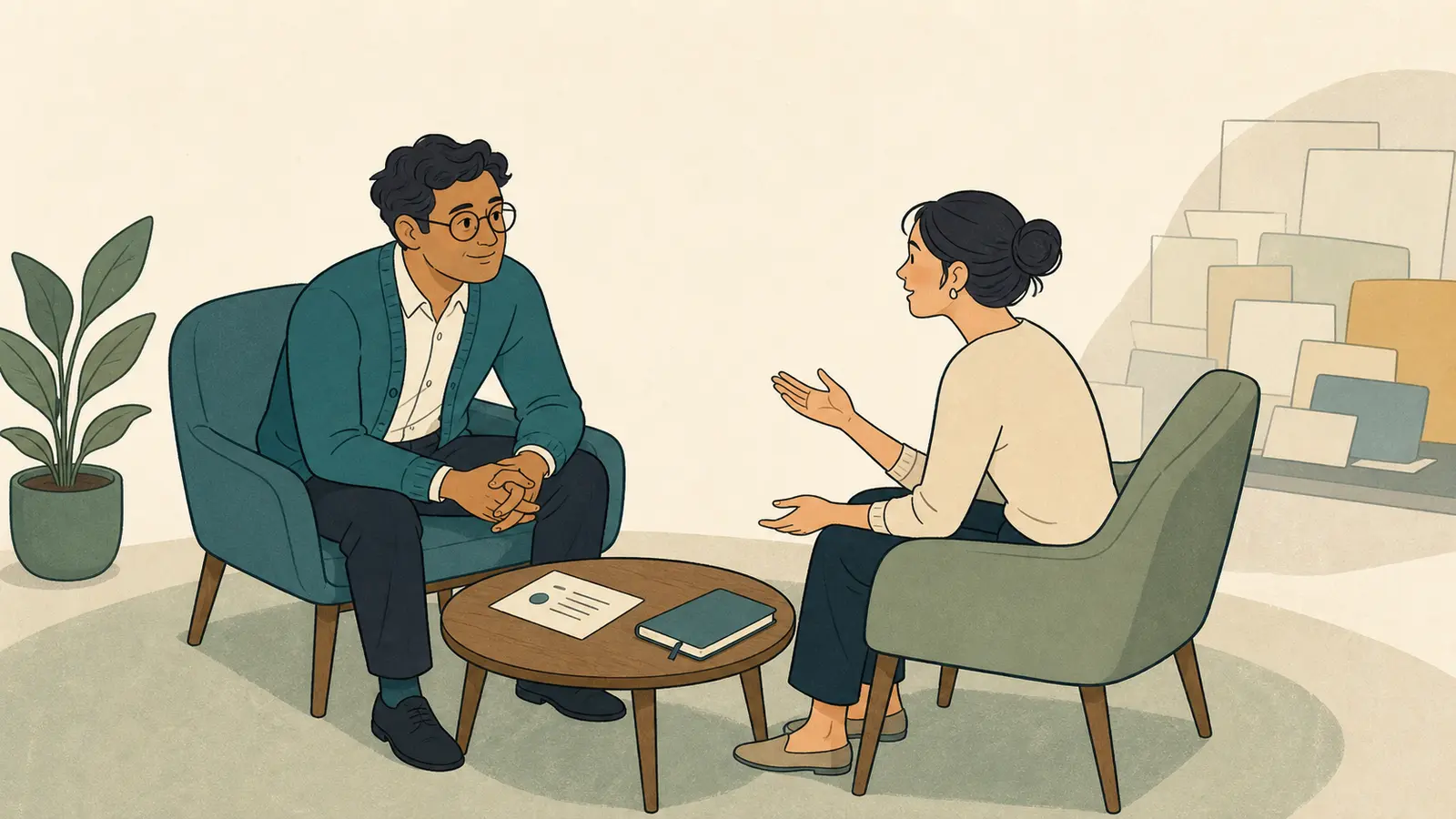
Pilot better 1:1s with one pair before you buy an HR suite
If the problem is inconsistent 1:1s, start with one manager-report pair. A narrow pilot tells you more than a broad HR-suite rollout.

Why generic 1:1 templates fail technical managers
Borrowed 1:1 templates were built for HR check-ins, so they produce status recaps and feelings questions. Here is why that fails technical managers, and what to ask instead.